Choosing toys for toddlers around two years old means balancing safety, engagement, and developmental value. The following selections are grouped to support motor skills, language development, imaginative play, and cooperative activities. Each item is designed to be age-appropriate and durable for little hands, helping kids explore, create, and learn through play.
| Product | Brand |
|---|---|
| LeapFrog Learning Friends 100 Words Book, Green | LeapFrog |
| iPlay, iLearn Press to Go Car Toys for Toddlers | iPlay, iLearn |
| Airbition Talking Flash Cards for Toddlers | Airbition |
| Mr. Potato Head Set with 13 Parts | Mr. Potato Head |
| Montessori Toys for 2-3 Year Olds Car Ramp Track | aotipol |
LeapFrog Learning Friends 100 Words Book
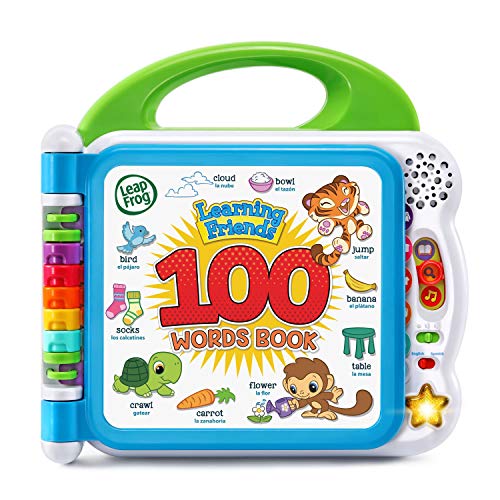
Meet learning friends Turtle, Tiger and Monkey who will introduce more than 100 age-appropriate words chosen by learning experts. Word categories include pets, animals, food, mealtime, colors, activities, opposites, outside and more. The pages respond with words, sound effects and fun facts when touched. A light-up star button plays the Learning Friends theme song and “My Favorite Word.” This interactive book supports early vocabulary while encouraging fine motor skills through touch and discovery.
iPlay, iLearn Press to Go Car Toys for Toddlers

Designed with safety in mind, this press-to-go car toy features rounded edges and smooth surfaces, crafted from high-quality ABS material with no small parts. Parents will appreciate that it operates without batteries—simply press the head of the car down and watch it roll. Its bright colors and friendly cartoon character designs stimulate curiosity and support sensory exploration, while supporting early cognitive development as children observe cause-and-effect and refine motor skills during play.
Airbition Talking Flash Cards for Toddlers
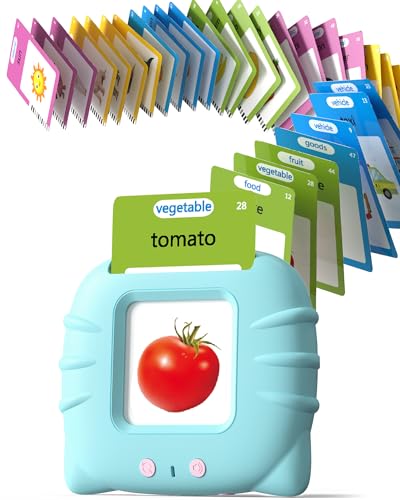
This Montessori-inspired device includes 224 words across animals, vehicles, food, fruits, and vegetables, bundled with engaging sounds and images. It supports speech development and cognitive skills through interactive, age-appropriate content. A standard American accent ensures clear pronunciation, and a repeat button plus five-level volume control enhance usability for caregivers and young learners alike.
Mr. Potato Head Set with 13 Parts

Mr. Potato Head encourages creative play with a 13-piece assortment that invites kids to mix and mash features for endless little-character fun. The potato body includes a tater-tush storage compartment for easy cleanup after imaginative sessions. This toy supports fine motor skills, grip strength, and creative expression as children experiment with different looks and stories using familiar, friendly parts.
Montessori Car Ramp Track Set

This car ramp toy features two parking lots, six ramps, and three garages including a gas station and repair shop. It supports cooperative play for two kids and helps develop hand-eye coordination and attention span. The set includes multiple mini cars to extend play sessions, encouraging turn-taking and problem-solving as children navigate the ramps and garages, mirroring real-world traffic simulations.
Buying Guide: Key Purchase Considerations
When selecting toys for 2-year-olds, consider safety, durability, and developmental alignment. Materials should be non-toxic, with smooth edges and appropriate size to prevent choking hazards. Look for toys that promote multi-sensory learning—sound, touch, sight, and movement—to engage different parts of the brain.
Developmental fit matters: language-heavy toys like talking flash cards and word books support vocabulary, while physical toys like ramp tracks and press-to-go cars foster gross and fine motor skills, spatial awareness, and cooperative play. Age-appropriate complexity—neither too simple nor overly challenging—keeps kids motivated without frustration.
Durability and maintenance are practical considerations. Simple designs with fewer small parts tend to withstand frequent handling. Washable fabrics and easy-clean surfaces help with daily upkeep. If possible, choose toys that offer expandability or supplemental play features to sustain interest as toddlers grow.
Parental involvement plays a role in effectiveness. Toys that invite caregiver-child interaction—reading together with a word book, guiding a ramp race, or labeling pictures—can amplify learning outcomes. Finally, consider a balanced mix of independent-play options and collaborative toys to support both autonomy and social development.