Ready-to-Fly (RTF) FPV drones offer a fast track into high-speed flying and immersive first-person control. This guide highlights five standout RTF FPV kits that balance beginner accessibility with pro capabilities. Each option includes built‑in video transmission, lightweight frames, and user-friendly setup. Use the summary table below to compare key products at a glance, then dive into in-depth sections to learn what makes each kit unique and who it suits best.
| Product | Brand | Key Benefit |
|---|---|---|
| CADDXFPV Protos FPV Drone RTKit | CADDXFPV | Ultra-light, HD VTX, 3-in-1 charger |
| Tinyhawk Lite FPV Drone Kit | Tiny Hawk | Real FPV, Betaflight growth path |
| BETAFPV Cetus FPV RTF Kit | BETAFPV | Integrated beginner-friendly safety features |
| Tinyhawk 3 Freestyle PLUS+ RTF Kit | Tiny Hawk | Durable frame, bundled controller and goggles |
| Tinyhawk 3 RTF Kit 1s | Tiny Hawk | Simple, compact setup for newcomers |
Note: All selections emphasize ease of setup, reliable video transmission, and a path from entry-level to more advanced piloting. Accessibility and continued expansion are key themes across these kits, helping shooters improve skills without massive upfront investment.
CADDXFPV Protos FPV Drone RTF Kit

Product overview: This compact FPV drone weighs about 100g and fits in the palm, enabling freedom to fly without FAA Remote ID constraints. The Protos kit pairs a 1/3-inch Starvis II sensor with a 160° wide-angle lens to capture clear HD video. Its ultra-light 6g Ascent HD VTX minimizes weight while maintaining low latency, ideal for fast freestyle maneuvers. A three-battery, 3-in-1 charger reduces downtime, delivering a full recharge in about 20 minutes via Type-C. Built-in safety features enhance uptime and flying confidence.
Tinyhawk Lite FPV Drone Kit With FPV Goggles
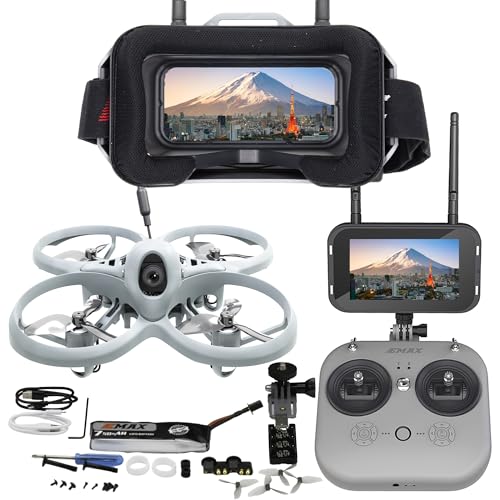
Product overview: Real FPV experience with minimal latency, delivering a smooth video feed directly to FPV goggles. The kit includes Betaflight Configurator support, enabling pilots to tune flight modes, rates, and responsiveness as skills grow. An included 1S HV 750mAh battery extends flight time, offering longer airtime per charge for practicing maneuvers, exploring environments, and building confidence in the air.
BETAFPV Cetus FPV RTF Drone Kit

Product overview: A beginner-friendly FPV kit featuring the Cetus Brushed Whoop quadcopter, LiteRadio 2 SE transmitter, and VR02 goggles. It supports an FPV simulator for practice before real flights and can function as a USB joystick for PC sim usage. The VR02 goggles provide on-screen flight status via OSD, creating an intuitive learning experience with crucial status feedback during flights.
Tinyhawk 3 Freestyle PLUS+ RTF Kit

Product overview: The Tinyhawk 3 Freestyle PLUS+ RTF kit emphasizes durability with a carbon fiber frame and bundled controller plus FPV goggles. The latest TH3 model focuses on improved stability and a more robust build for freestyle flying, making it suitable for beginners ready to push toward more dynamic aerial maneuvers while maintaining a forgiving flight experience.
Tinyhawk 3 RTF Kit 1s FRSKY
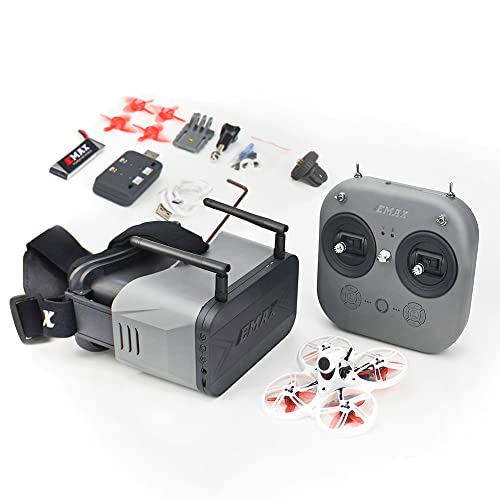
Product overview: A ready-to-fly kit designed for beginners, with a compact 1S setup and a straightforward power-on flight experience. It emphasizes ease of use, rapid deployment, and a simple path to PID tuning and Betaflight-driven growth for pilots who want to advance skills without heavy upfront investment.
Buying Guide: Key Purchase Considerations And Comparisons
- Experience level and upgrade path: Choose an RTF kit that allows growth from beginner flight modes to more advanced tuning and freestyle capabilities. Kits like the Tinyhawk and Cetus lines offer clear progression as skills evolve.
- System integration and safety: Look for built-in safety features, stable VTX/OSD feedback, and features that minimize downtime, such as fast charging or battery management solutions to keep you in the air longer.
- Video transmission quality: A low-latency, reliable FPV feed is essential for responsive control and situational awareness. Consider sensors, lens fields of view, and VTX power when comparing kits.
- Weight and durability: Heavier drones may be less forgiving in crashes, but sturdier frames can endure more aggressive flying. Lightweight builds suit beginners, while carbon fiber frames benefit freestyle pilots.
- Battery ecosystem and runtime: Check compatibility with available 1S/2S packs and the expected flight times per charge. A kit with a fast charger and multiple batteries minimizes downtime between sessions.
- Goggles and controllers: Ensure the included transmitter and goggles provide comfortable ergonomics and dependable performance. Some kits offer simulators for practice without risking real flights.
- Spare parts and support: Access to spare parts and community resources matters for long-term ownership. Reputable brands with robust regional support help maintain consistency in repairs and upgrades.
- Regulatory considerations: Some FPV drones require adherence to local laws or registration in some jurisdictions. Understand how each kit addresses safety and compliance.
Each kit above targets different user profiles—from complete beginners seeking a gentle introduction to seasoned flyers pursuing lighter, highly maneuverable rigs for freestyle. When choosing, weigh how quickly you want to upskill, the value of included training aids, and how much you value a turnkey experience versus customization potential.