For players seeking steadier control, grip-enhanced guitar picks can reduce slipping during fast passages and sweaty sessions. This guide highlights five top picks designed to improve grip, from textured nylon to silicone grips and anti-slip surface finishes. Each option includes real-world features aimed at precision, comfort, and consistent tone across styles.
| Product | Brand | Key Grip Features |
|---|---|---|
| Non-slip Guitar Picks, 0.46/0.71/0.96mm | AXPTECH | Non-slip surface, multiple thicknesses, ergonomic shape, versatile for bass, mandolin, ukulele |
| Max-Grip Nylon Standard Pick .60MM | Jim Dunlop | Max grip technology, durable nylon, economical 12-pack |
| Birllaid Grips for Guitar Picks | Birllaid | Soft elastic grip material, nearly invisible, anti-slip gel pattern |
| Dunlop Nylon Max Grip Standard Pick .73MM | Jim Dunlop | Molded gripping surface, durable nylon, good for speed and hard picking |
| Ibanez Grip Wizard Sand Grip Pick PA16MSG-RD | Ibanez | Non-slip material, medium thickness, polyacetal |
Non-slip Guitar Picks, 0.46/0.71/0.96mm — 15 Colorful Varieties

AXPTECH offers a tri-thickness set (0.46, 0.71, 0.96 mm) with a non-slip grip surface for enhanced control during fast picking and sweaty hands. The ergonomic design features a balanced bump area that won’t interfere with playability. Suitable for guitar, bass, mandolin, ukulele, and autoharp, these picks emphasize grip stability across various playing contexts.
Jim Dunlop Max-Grip Nylon Standard Pick .60MM

This Dunlop pick uses Max Grip technology with a durable nylon construction and comes in a cost-effective 12-pack. The molded gripping surface enhances hold, especially during long practice sessions or high-speed riffs, reducing slip without compromising feel or tone.
Birllaid Grips for Guitar Picks

Birllaid grips attach to standard guitar picks to create an anti-slip surface. Made from soft, elastic material, they remain nearly invisible on the pick, preserving the instrument’s aesthetic. The anti-skid gel pattern helps maintain grip even with sweaty hands, supporting smoother, more controlled playing for beginners and experienced players alike.
Dunlop Max-Grip Nylon Standard Pick .73MM
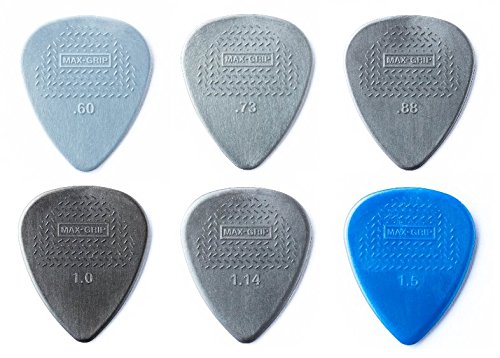
This .73mm Dunlop pick features a molded gripping surface for a secure hold during aggressive picking and fast passages. Its nylon composition provides durability and a consistent feel while maintaining flexibility for precise control and tone across genres.
Jim Dunlop Max-Grip Jazz III Stiffo Pick 1.38MM

Jazz III Stiffo picks deliver a thicker 1.38 mm profile with a hard-wearing grip surface. The increased thickness and textured grip are ideal for players seeking control during fast downstrokes and intricate picking patterns, while maintaining a tight, articulate attack.
Ibanez Grip Wizard Sand Grip Pick PA16MSG-RD
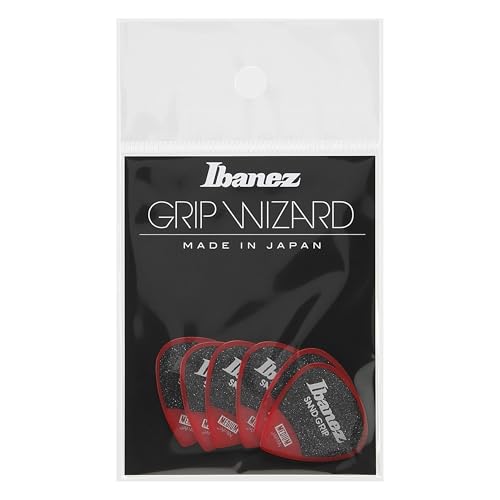
The Grip Wizard Sand Grip Pick combines non-slip material with a medium thickness (0.8 mm). This design uses a polyacetal composition to reduce slip and increase comfort during extended practice sessions and live performances, making it suitable for players who prefer a stable, predictable feel.
Buying Guide: Key Purchase Considerations
Grip-focused picks come in multiple materials, textures, and thicknesses. Consider these factors when selecting a set for your playing style:
- Grip technology: Look for molded grips, silicone overlays, or anti-slip gels that match your sweat level and playing tempo.
- Thickness: Lighter picks (0.46–0.71 mm) offer flexibility and lighter attack, while mid to heavy gauges (0.73–1.38 mm) provide control for aggressive playing and precise articulation.
- Material: Nylon and celluloid are common for grip-focused options; silicone grips can add extra security but may slightly alter attack feel.
- Shape and profile: Ergonomic bumps, rounded edges, and fingertip largeness influence comfort and accuracy across chord changes and scales.
- Compatibility: Some grip solutions are universal, while others suit specific instruments (guitar, bass, mandolin, ukulele). Confirm suitability for your setup.
- Durability and price: Reusable grips and multi-pack sets can reduce cost per session; consider expected wear with your picking style.
Overall, the best option balances a secure grip with unimpeded feel and tone. Players transitioning from standard picks may prefer a grip add-on first, then explore fully textured picks. Those who sweat heavily may benefit from more aggressive anti-slip surfaces, while players chasing speed might favor thinner, grippier profiles for rapid descending patterns. When in doubt, try a mixed set to compare grip response, tone, and comfort.