Finding toys that accommodate physical needs while stimulating learning and joy is essential. This guide highlights five Amazon products that focus on accessible play, sensory engagement, and motor skills development. Each option suits different needs—from switch-adapted devices for switch users to tactile, sensory toys for fine-motor practice. Use this overview to identify which toy best fits your child’s abilities and environment.
| Product | Best For | Why It Stands Out |
|---|---|---|
| Switch Adapted Dancing, Music & Lights Tiger | Switch users, beginners with adaptive needs | Switch responsiveness designed for accessible play; compact, engaging activities |
| LoveHugs Musical Light Up Wand | Sensory seekers, autistic children | Multi-sensory lights and music for calming and focus |
| Gaiam Kids Peanut Ball Chair | Active sitters, kids needing movement while seated | Dynamic seating that supports posture and focus |
| Aywewii LED Tambourine | Visual and auditory stimulation | Three flashing modes paired with a musical sound |
| Jelly Blox Creative Kit | Tactile, hands-on construction play | Soft, squeezable blocks that aid fine-motor exploration |
Switch Adapted Dancing, Music & Lights Tiger

Best for: switch users and children who benefit from single-switch play. This device requires a connected switch (not included) and is designed for accessible switch-activation play. The toy has been adapted from its original packaging to support switch use, with the original switch inside no longer functional. Caution: choking hazard small parts; not for children under 3.
LoveHugs Musical Light Up Wand

Best for: sensory-seeking children and those who benefit from visual and auditory stimulation. This wand features a spinning, color-changing light display paired with a looping musical melody to provide a soothing sensory experience. Best used in quiet spaces or small group play. Caution: keep away from small parts as a choking risk for younger children.
Gaiam Kids Peanut Ball Chair

Best for: active kids who need movement while seated. The peanut ball chair supports healthy posture, core strength, and improved focus by enabling wiggle-based seating. It can reduce restlessness in classroom or home settings. Caution: ensure a stable floor surface and proper size for the child to avoid tipping.
Aywewii LED Tambourine

Best for: children who respond well to rhythmic sound and flashing lights. The tambourine blends crisp jingles with three LED modes—fast, slow, and alternating—creating a vibrant sensory tool for music time, parties, or therapy sessions. Caution: small parts may pose a choking hazard for younger children; supervise accordingly.
Jelly Blox Creative Kit
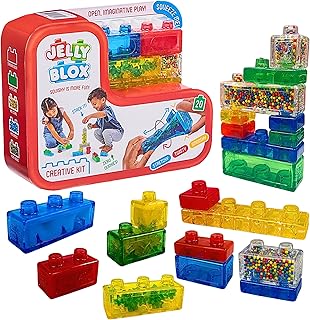
Best for: tactile learners and children who benefit from soft, squeezable materials. Jelly Blox offer a safe sensory building experience with blocks that can be squeezed, stretched, and squished, plus special blocks filled with sensory materials for added texture. Caution: block colors may vary and some pieces are small enough to pose a choking hazard; supervise for younger users.
Buying Guide: Key Purchase Considerations
- Skill level and age: Match toys to motor abilities and cognitive level for meaningful engagement.
- Sensory needs: Consider visual, auditory, and tactile preferences to support focus and calmness.
- Adaptability: Look for items that can be used with switches, simple controls, or low-effort activation.
- Safety and supervision: Check choking hazards, age recommendations, and ensure appropriate supervision for younger children.
- Durability and cleanliness: Choose materials that are easy to clean and withstand frequent use.
- Environment: Consider indoor vs. outdoor use, space, and whether the toy suits quiet play or group activities.
Frequently Asked Questions
- What should I consider when buying toys for a child who uses a switch?
– Look for switch-adapted devices with clear activation, safe switches, and compatible batteries or power options. - Are sensory toys helpful for kids with autism or sensory processing concerns?
– Yes, toys that combine lights, sounds, and textures can aid focus, soothing responses, and motor exploration when used appropriately. - How do I determine if a toy is age-appropriate?
– Review the product’s stated age range and assess the child’s current developmental and motor level. - What safety cautions should I heed with soft, squeezable blocks?
– Ensure blocks are large enough for the child’s age and supervise to prevent small-part exposure for younger children. - Can these toys support classroom use?
– Several options, like active seating and sensory tools, work well in classrooms to reduce restlessness and boost engagement. - How can I compare these products quickly?
– Focus on activation method (switch vs. touch), sensory output (visual, auditory), and suitability for the child’s movement goals.